
When a cargo tricycle is priced at $1,250–1,550 FOB, buyers are entitled to ask what is inside that number. The answer is a manufacturing process that has more in common with a motorcycle plant than a bicycle workshop: welded steel frames, e-coat and powder-coat lines, hub motors with differentials, battery packs with BMS protection, and a final inspection that rides every unit. This guide walks through how an electric tricycle is actually built, step by step, from steel tube to container, and explains what each stage means for quality, what the inspection milestones are, and how the process sets the lead time you will be quoted.
Frame Fabrication: Welding the Chassis That Carries 500 kg
Every tricycle starts as steel tube, and the frame is where the 300–500 kg payload rating is actually earned:
- Tube selection . Cargo trike frames use larger-diameter steel than e-bikes, typically 2–3 mm wall tube sized for the load rating, not the rider.
- Jig welding . The main frame, the rear axle cradle, and the cargo deck are welded in fixtures so every unit matches the geometry drawing. TIG welding on visible joints, MIG for structural mass.
- Differential and axle cradle . The rear section is built around the differential housing and axle mounts; the axle alignment here decides tire wear and cornering behavior for the life of the vehicle. The axle and load-rating engineering is detailed in our motor power guide.
- Weld inspection . Critical joints are checked before the frame moves to painting; a frame that fails here never reaches the line.
The suspension geometry, how the rear axle and springs interact with the load, is covered in our suspension guide; the frame is where that geometry is welded into reality.
Surface Treatment: E-Coat, Powder Coat, and Corrosion
A cargo trike lives outside, loaded and parked in weather, so the paint system is a durability spec:
- E-coat (electrophoretic coating) . The bare frame is dipped in an electrically charged paint bath that reaches every internal cavity. This is the corrosion barrier that keeps a trike alive past year three.
- Powder coat . The color layer, baked on. Cargo decks and cab frames get the same treatment, which is why an enclosed cabin build (our enclosed cabin guide covers the cabin options) can share the frame's finish.
- Hardware and fasteners . Zinc-plated or stainless fasteners throughout; the corrosion points that kill budget trikes are almost always fasteners and connectors, not the frame. The maintenance practices that extend this system's life are in our maintenance guide.
Drivetrain Assembly: Hub Motor, Differential, and the Rear Axle
The drivetrain is where a tricycle differs most from a bicycle:
- Hub motor, 800W, 1000W, or 1200W brushless motors, built around the rear wheel or the axle, with the controller matched to the motor's phase and hall sensors.
- Differential . The rear axle carries a differential so the two rear wheels turn at different speeds in corners; without it the inside tire drags and the trike feels unstable. The performance difference is explained in our tricycle vs e-bike guide.
- Brake integration . Hydraulic disc at the front, dual drums at the rear, and a parking brake wired into the axle assembly. Brake specification is covered in our brake systems guide.
- Reverse gear . The three-speed forward/neutral/reverse controller is part of the drivetrain harness; reverse is a standard feature on cargo builds because a loaded trike is easier to maneuver backward than to turn around.
Motor and controller matching is a factory-level engineering task. The same motor can feel weak or aggressive depending on the controller map, which is why OEM buyers should demand a test ride of the exact spec, not a showroom unit.
Battery Pack Build: Cells, BMS, and UN 38.3
The battery is the most regulated component in the vehicle, and it is built in a dedicated area:
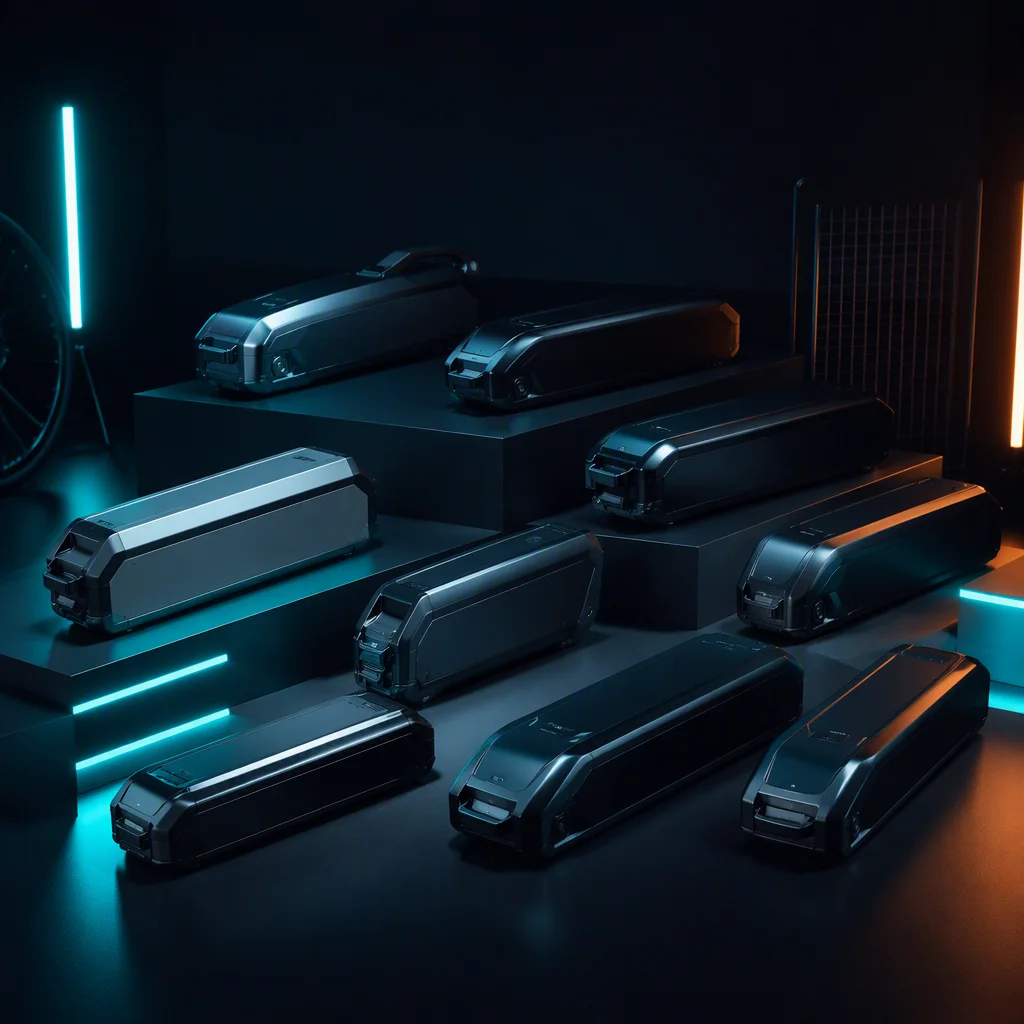
- Cell selection, 60V 32Ah NMC or 72V 40Ah LFP cells, matched by internal resistance so the pack balances over hundreds of cycles. The chemistry trade-offs are in our battery technology guide and the voltage decision in our 60V vs 72V guide.
- BMS assembly . The battery management system is wired to every cell group, controlling charge, discharge, and temperature. The heavy-load BMS is what keeps a 500 kg trike pulling hills without tripping protection.
- Pack casing and certification . Packs are built to UN 38.3 transport certification and UL 2271 where the destination market requires it; the certification map is in our EU vs US certification guide.
- Swappable mounting . Slide-out pack trays are standard on cargo builds so a fleet can swap packs in two minutes; the fleet swap economics are in our fleet charging guide.
Final Assembly: Four Lines, Dedicated Platforms
Final assembly is where the frame, drivetrain, battery, and body become a vehicle:
- Line structure . Four assembly lines run e-bikes, e-scooters, and e-tricycles; tricycle capacity is scheduled by platform, which is why a standard 15–30 day lead time holds for repeat orders.
- Station sequence . Wheels and tires (3.00-12 front / 3.75-12 rear dual, covered in our tires guide), handlebar and controls, lighting and harness, cargo box or cabin, then the battery.
- Monthly capacity . All four lines run on the same quality chain; FOB pricing on this platform holds at $1,250–1,550 per unit with OEM lead times kept predictable.
The MOQ structure, 50 units, with OEM customization available from the first order, is documented in our cargo trike OEM guide.
Quality Control: 100% Inspection and the Test Ride
QC is where a factory earns its price:
- Incoming inspection . Motors, controllers, cells, and tires are batch-tested on arrival; component-level failures are caught before assembly.
- In-line checks . Torque, wiring, and brake function are verified at each station with checklists that follow the unit.
- Final inspection . Every unit, not a sample, gets a functional test: brakes, lights, throttle, reverse, and a road test where the line layout allows it. The 100% inspection policy is part of the quality system documented on our quality and certifications page.
- Third-party inspection. SGS or BV pre-shipment inspection is available on request, and the buyer-side verification checklist is in our OEM buying guide.
Buyers who want to see this process before ordering can work through our how it works page or plan a factory visit around the inspection milestones of their order.
Lead Times: From Deposit to Container
The process sets the timeline, and the timeline is part of the spec:
| Order type | Lead time | Milestones |
|---|---|---|
| Standard stock build | 15–30 days | Deposit → production slot → 100% QC → container load |
| OEM first order | 30–45 days | Tooling → samples → approval → production → QC |
| Repeat OEM order | 20–30 days | Samples only if spec changed → production → QC |
Container planning, how many trikes fit a 40ft container and how they are loaded, is part of the shipping process documented in our China import guide, and the spares and service pipeline that follows the container is in our after-sales and spare parts guide.
How to Audit a Factory
Every buyer should verify the claims that matter most:
- Walk the weld area . Jigs, weld inspection, and housekeeping tell you whether the frame quality is real.
- Ask for the QC records . A factory doing 100% inspection can show you the checklist from a specific unit.
- Verify the certifications. EN 15194, UL 2849, UN 38.3, and eMark certificates should carry the factory's name; the verification steps are in our certification guide.
- Check the battery area . Pack assembly is the highest-risk step in the process; it should be cleaner and more controlled than the rest of the plant.
Plan a Production Run
Understanding the process turns a purchase into a plan: you know what you are paying for at each milestone, what to inspect, and why the lead time is what it is. That is the difference between buying a trike and building a product line.
Tell us your target platform, volume, and delivery date. We will walk you through tooling, sample approval, the production schedule, and the inspection milestones.
Plan a Production Run
Tell us your target platform, volume, and delivery date. We will walk you through tooling, sample approval, the production schedule, and the inspection milestones.
